
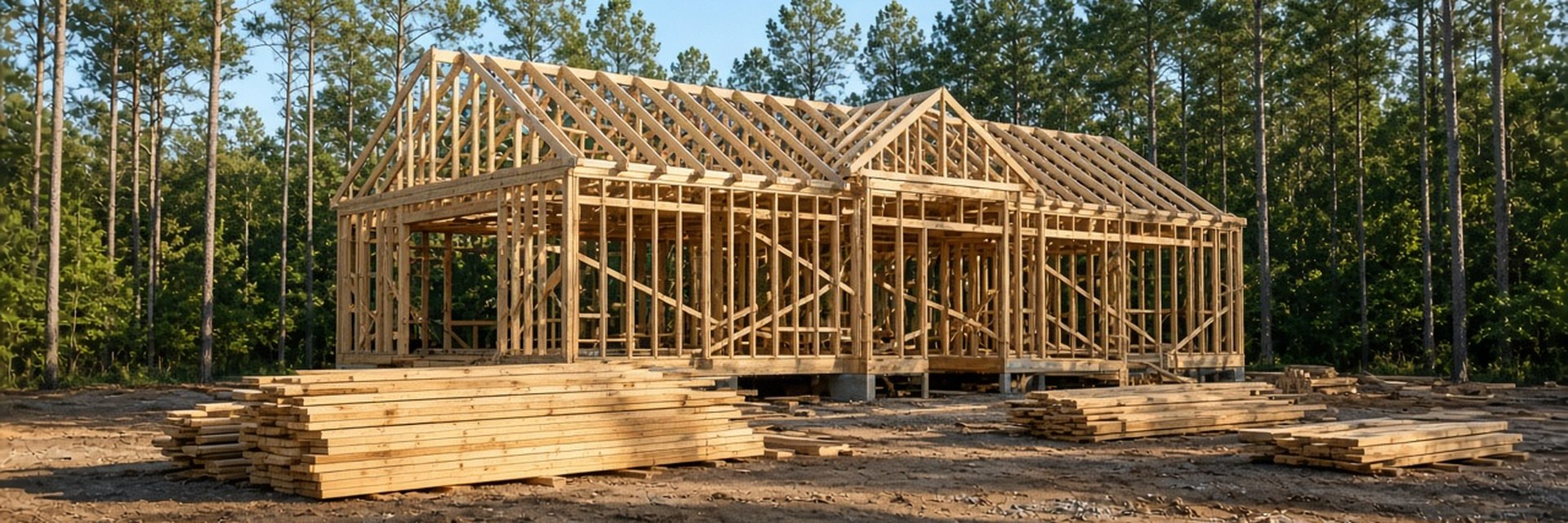
Get Your Construction Insurance Quote From Our Georgia Specialists
Whit Blanchard Insurance Group
What is construction insurance and who may need it?
A dedicated contractor policy serves as a financial safety net for builders, tradesmen, and developers working on residential or commercial projects. It protects businesses from third-party claims involving bodily injury, property damage, and advertising injury. If you operate a contracting business locally, having the right construction insurance is critical for securing bids and protecting your company assets.
Many project owners require proof of coverage before allowing you on the job site. This requirement ensures that any accidents or damages caused by your operations do not become a financial burden for the property owner. General contractors, specialty tradesmen, and even solo operators need this protection to operate legally and safely.
In addition to general liability, businesses often need workers compensation to cover employee injuries. Together, these policies form a strong foundation for risk management. Understanding your specific trade risks will help you build a safety net that covers your unique needs while working on active job sites.

What is a real-world example of construction insurance protection in Georgia?
A common scenario involves property damage or structural issues discovered long after a project is finished. For example, if a plumbing contractor installs pipes that slowly leak and cause foundation damage, the property owner might sue the contractor for repairs. According to Construction Defect Claims in Georgia: Statute of Limitations & Repose, Georgia’s statute of repose bars most construction defect lawsuits filed more than 8 years after substantial completion of the project. This means your liability coverage could be called upon to defend claims for up to 8 years after you finish the work.
Workplace accidents represent another frequent source of claims. When employees or bystanders get hurt on a job site, medical bills and legal fees add up quickly. Recent data highlights the frequency of these incidents across the state.
As reported by Gerber & Elkins, Georgia recorded 170 fatal workplace injuries in 2024, and 35 of those deaths were in construction, which remains one of the deadliest industries in the state.
| Incident Type | Reported Figures | Primary Coverage Triggered |
|---|---|---|
| Fatal workplace injuries statewide (2024) | 170 deaths | Medical and liability policies |
| Construction-related fatalities (2024) | 35 deaths | Employer liability policies |
| Construction defect lawsuits | Varies by county | Contractor liability policies |
These figures demonstrate why carrying active coverage is essential for any business operating heavy machinery or working in hazardous environments.
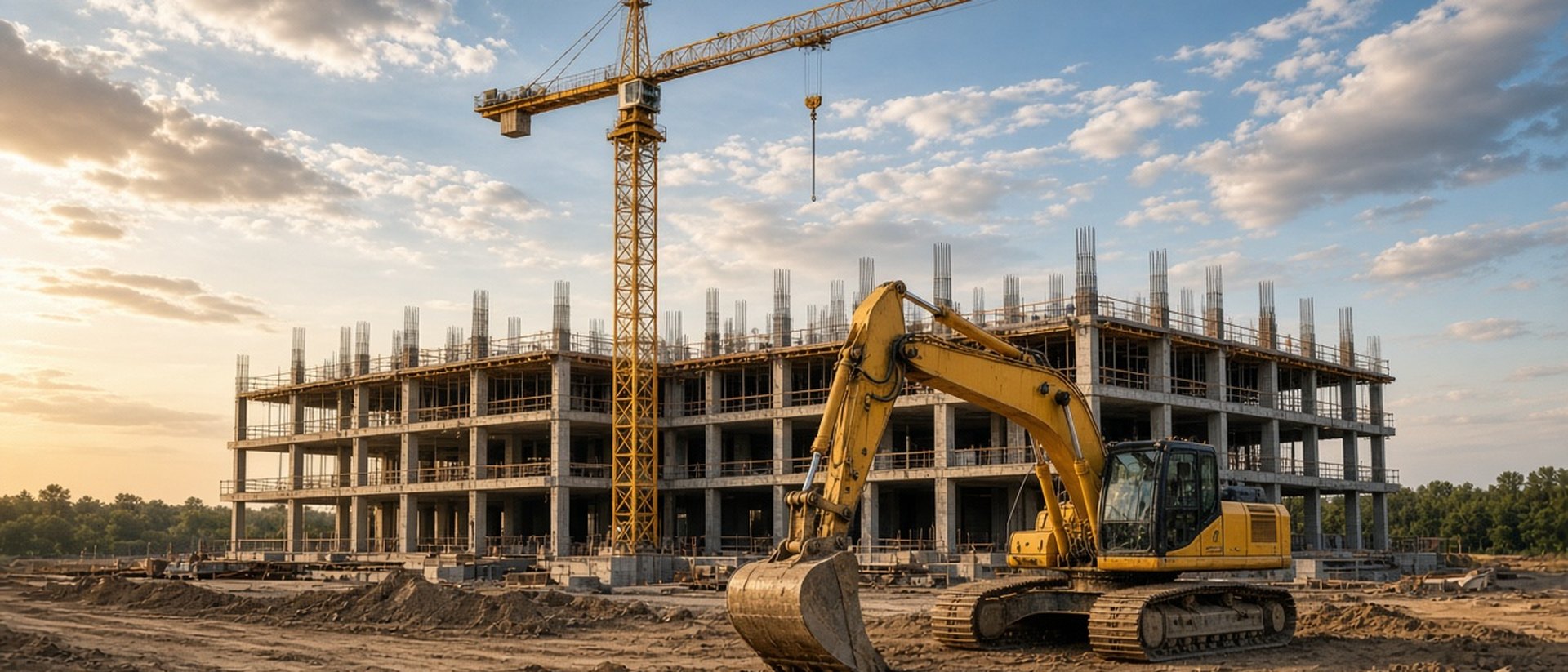
How much does construction insurance cost in Georgia?
Pricing for construction insurance depends heavily on the size of your business, the type of work you perform, and your past claims history. A roofing contractor will typically pay more than a residential painter due to the inherent risks of working at heights. Insurance providers also look at your annual revenue and estimated payroll when calculating your final premium.
For smaller operations, the costs remain highly manageable. According to TCM, general liability insurance for a solo operator or independent contractor in Georgia costs approximately $400–$750 per year. If you hire a small crew, your premiums will naturally increase to reflect the added exposure.
Data from TCM shows that general liability insurance for a small contractor with 2 to 5 employees in Georgia costs approximately $750–$1,900 per year.
| Business Size | Estimated Annual Cost | Location |
|---|---|---|
| Solo operator or independent contractor | $400–$750 per year | Statewide |
| Small contractor (2 to 5 employees) | $750–$1,900 per year | Statewide |
| Mid-sized to large contractor | Varies by carrier | Statewide |
These baseline costs cover standard general liability, but adding specific endorsements or increasing your policy limits will adjust the total price.
What should you consider when looking for coverage?
Selecting the right policy requires careful evaluation of your daily operations and long-term business goals. You must evaluate the specific limits required by the general contractors or property owners you work with. Many commercial projects mandate higher aggregate limits than standard residential jobs, which means you need to adjust your coverage accordingly before placing a bid.
It is equally important to understand the exclusions built into your policy. Some liability policies exclude coverage for multi-family housing projects or specific high-risk activities like roofing and exterior excavation. If you take on work that falls under an exclusion, any resulting claim will be denied, leaving your business fully responsible for the financial damages.
You also need to think about your tools and mobile equipment. Standard liability policies do not pay to replace your stolen or damaged gear. You must secure a dedicated inland marine or tool floater policy to protect your physical assets. By assessing all these variables, you can build a safety net that keeps your business financially secure.
What other insurance coverages are commonly paired with this policy?
A standalone liability policy rarely covers every risk a contractor faces. To achieve full protection, business owners often bundle multiple policies tailored to the building trades. For instance, if you have employees, state law usually requires you to carry workers compensation to pay for medical expenses and lost wages if a worker is injured on the job.
Another essential pairing is builders risk coverage. This policy protects the structure itself and the materials on site from fire, vandalism, and extreme weather while the project is under active development. Additionally, if your business owns trucks or vans, commercial auto coverage is necessary to protect your vehicles and drivers traveling between job sites.
| Related Coverage | Primary Purpose | Typical Users |
|---|---|---|
| Employee medical policies | Covers medical bills and lost wages after a job site injury | Contractors with a payroll |
| Builders risk | Protects materials and structures under construction from property damage | General contractors and developers |
| Commercial auto | Provides liability and physical damage protection for business vehicles | Any contractor using trucks for work |
| Inland marine | Insures tools and heavy equipment while in transit or stored away | Tradesmen with portable gear |
Working with an experienced agent helps ensure these policies integrate smoothly without leaving dangerous gaps in your protection.
























What are key statistics and trends in the local market?
The building industry faces unique hazards that directly impact insurance rates and underwriting trends. Insurers closely monitor safety records and accident frequency to determine how much risk they are taking on. When job site accidents increase, insurance carriers often respond by tightening their underwriting guidelines and raising premiums across the board.
Safety data provides a clear picture of the risks involved in the local market. According to Georgia Work Injury Trends: What the Latest BLS Data Reveals, Georgia’s construction fatality rate was 10.2 per 100,000 full-time workers. This metric highlights the severe exposures that contractors face daily and explains why carrying adequate liability and workers compensation limits is vital for financial survival.
To combat these risks, many companies are investing heavily in safety training and risk management programs. By reducing the frequency of claims, contractors can negotiate better rates for their construction insurance. Insurers consistently reward businesses that demonstrate a proactive approach to job site safety and employee well-being.
Who needs a policy and how can you get a quote?
Any individual or company engaged in building, renovating, or repairing structures needs a dedicated policy. This includes general contractors, electricians, plumbers, HVAC technicians, and landscapers. Even if you only take on small residential repairs, a single accident can result in a lawsuit that threatens your personal and business assets.
We help hundreds of customers secure reliable coverage in Georgia. Our team understands the local market and works with top-rated carriers to find policies that fit your specific trade and budget. We maintain a highly rated Google My Business page, reflecting our commitment to excellent customer service and transparent advice.
Getting started is a simple and straightforward process. We can offer quotes without any sort of obligation, allowing you to compare options and make an informed decision. Reach out to our agency today to review your current coverage, discuss your specific needs, and ensure your business is fully protected for your next project.

Get a Quote
Share your details with us, and our team of friendly agents will be in touch with you soon!

